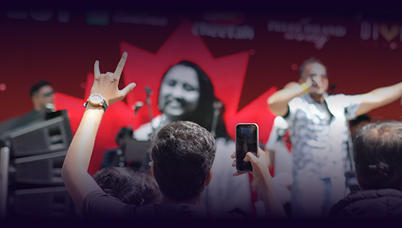
It hits you as soon as the bass drops. The room, a bustling pocket of energy, sways to the rhythm at a local open mic night in Brampton. It's a blend of hip hop, with the unmistakable twist of classical Indian melodies, that has everyone nodding their heads. The performer, an emerging musician from the community, has found a way to infuse their roots into a sound that resonates far beyond cultural boundaries. Yet, the question remains: in a world dominated by mainstream playlists, how do you market your sound without being boxed into the 'World' music category?
For many South Asian artists in Canada, the journey to get music onto mainstream platforms like Spotify isn't just about making noise; it's about making the right kind of noise. It's about ensuring that the cultural threads woven into their music are celebrated, not sidelined. This is a delicate dance that requires knowledge of how to pitch to curators who appreciate texture and depth without categorizing it as 'ethnic'.
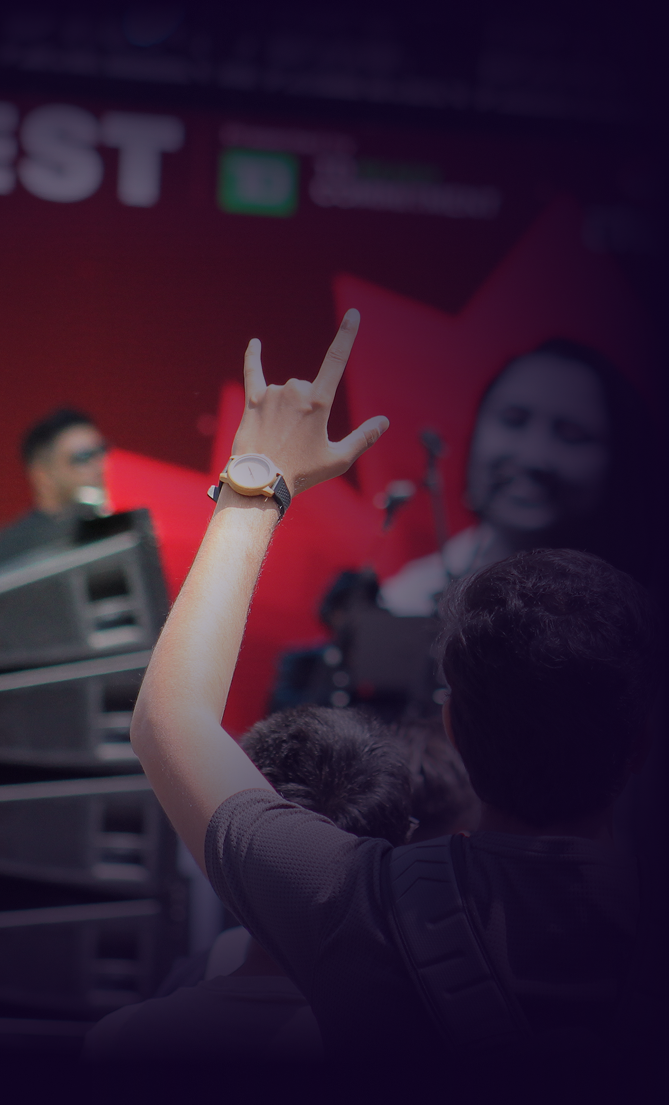
Reflecting on a moment from one of our [DESIFEST](https://desifest.ca) events, I remember a specific set that had a surprising impact on the audience. A track that seamlessly fused electronic beats with Punjabi folk stirred an unexpected response. Attendees later shared how they found themselves grooving to the beat before realizing the cultural elements interlaced within. It was a powerful reminder of how authentic sounds can transcend preconceived notions when presented in the right way.
So, how does one effectively pitch music to mainstream playlists? The key lies in framing your sound as part of contemporary genres like pop or hip hop, rather than relegating it to a niche. Curators are constantly on the lookout for fresh sounds that bring a new dimension to these popular genres. By highlighting how your music adds a unique texture to pop or hip hop, you sidestep the trap of being labeled as 'World' music — a label that often limits reach rather than expands it.
Sathish Bala, Founder of DESIFEST, often emphasizes the importance of identity in music. 'Your roots are not a limitation,' he says. 'They are your competitive edge.' This insight is crucial for artists seeking to maintain authenticity while appealing to broader audiences. The goal is not to dilute one's sound but to show how it enriches the modern music tapestry.
Engage with your audience through platforms like [Open Mic](https://desifest.ca/open-mic) sessions. These events offer a space to test how your music resonates with diverse crowds. Pay attention to songs that spark unexpected engagement — these are often the tracks that hold crossover potential.
To truly stand out, consider collaborating with artists from other genres. Such partnerships can introduce your music to new audiences and showcase its versatility beyond its ethnic origin. Embrace the digital landscape, share your story, and connect directly with fans who crave originality blended with cultural authenticity.
In navigating this musical journey, one thing is sure: the industry is slowly waking up to the richness that artists from the South Asian diaspora bring to global music. For those at the intersection of heritage and innovation, the challenge is to be seen not as a category, but as contributors to the world's pop and hip hop scenes. Perhaps the future holds a playlist dominated by those who refused to be boxed.
The question that remains is not whether you can break into these playlists, but rather, how far your unique sound can take you when it does.